Comprehensive Password Security Guide for Staying Anonymous Online
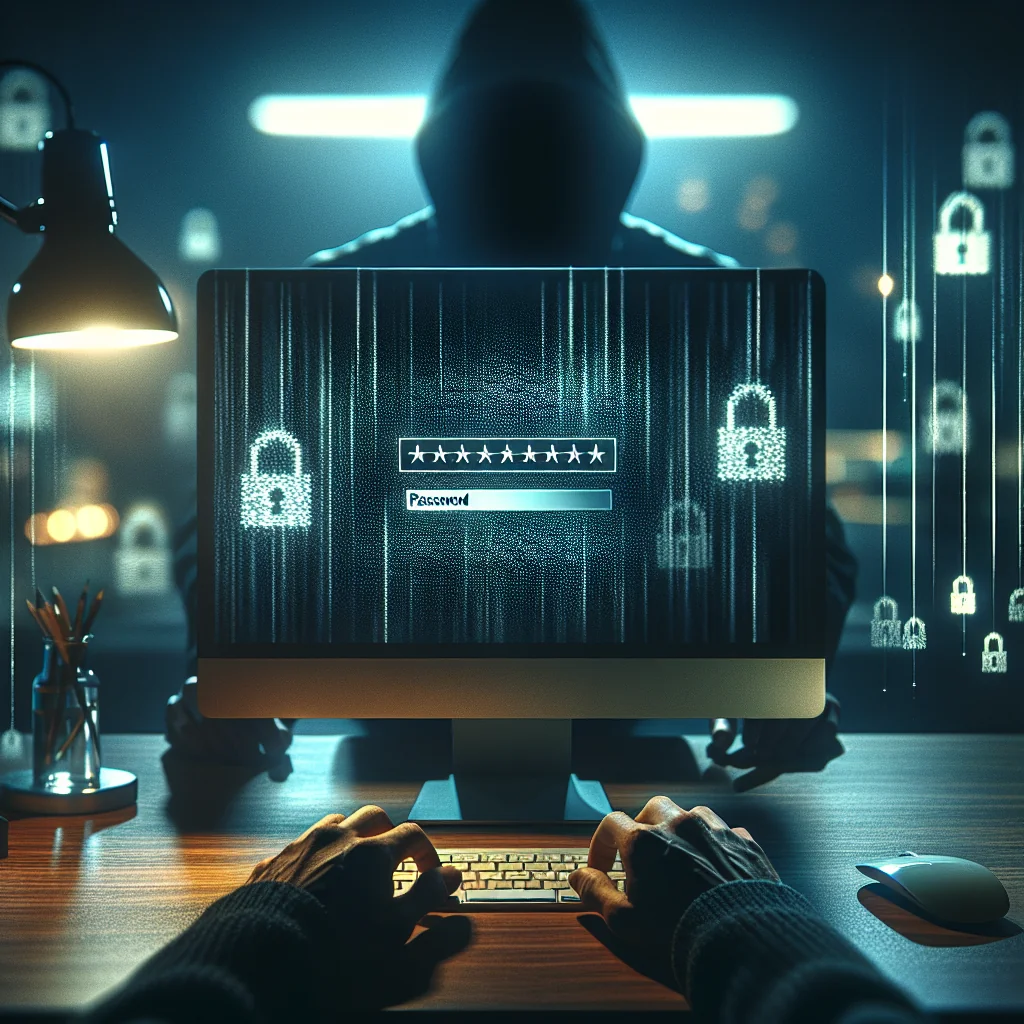
People love to talk about VPNs, “incognito” mode, and fancy privacy tools, but almost nobody wants to talk about the boring part: passwords. And yet, that’s usually where everything leaks. You can be behind three VPNs and using Tor, but if your Instagram, email, or bank account all share the same flimsy password, your anonymity is hanging by a thread.
Think of this as the unglamorous side of staying anonymous online. Not theory, not hype—just the practical stuff that actually stops other people from walking straight into your accounts, tying them together, and figuring out who you are. If you care about not being doxxed, stalked, or quietly profiled, your passwords are not a side detail; they’re the front door.
Why Password Security Matters for Digital Anonymity
Every time you sign up for “just one more” app or website, you leave another breadcrumb behind. One account for shopping. One for memes. One for your side project. On their own, they look harmless. But if you reuse the same password, you’re basically connecting them with a big neon string that says: “Same person here.”
Once someone gets into a single account—maybe through a leak, maybe through a lazy guess—they can start trying that same combo everywhere else. Email, socials, cloud storage, banking. Suddenly, the “anonymous” Reddit account doesn’t look so anonymous when it’s tied back to the same password and email patterns as your real-life accounts.
Here’s the part most people miss: passwords aren’t only about keeping out obvious criminals. They also control how easily companies, trackers, and random strangers can stitch together your different identities. A strong, unique password is like cutting the lines between those accounts so one compromise doesn’t unravel your entire online life.
So yes, use the VPN. Use the private browser. But if your passwords are weak or repeated, you’ve built a steel door on a cardboard wall.
Common Ways Weak Passwords Break Your Privacy
Weak passwords don’t just “get hacked.” They leak patterns about you. People reuse the same few logins everywhere, maybe with tiny variations: add a “!” here, a “1” there. Attackers and data brokers love that. They feed those combos into automated tools and watch as accounts light up across different platforms.
Once your accounts start to link together, you’re no longer “user123” on one site and “anonymous-cat” on another. You’re one person with a trail of posts, purchases, locations, and habits that can be stitched into a profile. Even if you think you’ve kept your real name out of it, other accounts you forgot about can fill in the blanks.
Unique, strong passwords don’t magically make you invisible, but they do something important: they keep your accounts from collapsing into a single, easy-to-track identity the moment one site is breached.
Core Principles of a Comprehensive Password Security Guide
You don’t need a cybersecurity degree or a tinfoil hat to do this right. You just need a few rules you actually stick to. Think of these less as “best practices” and more as “non‑negotiables” if you want a realistic shot at staying private.
- Uniqueness: Important accounts never share passwords. No “one password to rule them all.”
- Strength: Long, ugly, and hard to guess beats short and clever every single time.
- Secrecy: If it lives in plain text—notes app, email, sticky note—it’s not a secret.
- Layers: Two-factor authentication (2FA) is your backup lock when the first one fails.
- Awareness: Assume leaks will happen and be ready to react fast when they do.
Apply those five rules to your email, banking, cloud storage, and socials, and you’ve already killed off most of the easy ways someone can grab your identity or drain your accounts. You’re also making it much harder for companies or attackers to connect every account you’ve ever made into one giant dossier on you.
Turning Principles Into Daily Habits
Rules are cheap. Habits cost effort. So don’t start by trying to fix your entire digital life in one sitting—that’s how people burn out and go back to “password123.”
Instead, pick your “if I lose this, I’m screwed” accounts: email, bank, main cloud storage, and primary social logins. Fix those first. Give each one a unique, strong password and 2FA. Only then move on to the less critical stuff like random forums or old shopping sites.
After a while, something flips. You’ll catch yourself side‑eyeing any site that says “minimum 8 characters” with no 2FA, or you’ll feel a twinge of discomfort when you almost reuse an old password. That’s when you know the habits are starting to stick.
Blueprint: Building Strong, Private Passwords
Attackers don’t usually sit there guessing your favorite band. They use leaked password lists, dictionaries, and pattern‑matching tools that can burn through millions of guesses in minutes. If your password looks anything like “Name123!” or “Summer2024!”, it’s low‑hanging fruit.
The easiest way around this is to stop hand‑crafting passwords entirely and let a password manager do the ugly work. It will spit out long, random strings you’d never remember on your own—and that’s the point. You only remember one master password; it remembers everything else.
If you absolutely must invent a password yourself, use a long passphrase: several unrelated words with numbers and symbols thrown in. Not movie quotes. Not song lyrics. Not “correcthorsebatterystaple” for the millionth time. Just weird, random combos that mean nothing to anyone but you.
Typical Password Choices vs. Safer Alternatives
Here’s a quick reality check. If you see yourself in the left column, it’s time to move right.
Comparison of weak habits and stronger choices
| Common Habit | Risk | Stronger Alternative |
|---|---|---|
| Using one password on many sites | One leak gives attackers a skeleton key to your accounts | Unique password for every account that actually matters |
| Short password with a simple pattern | Falls quickly to automated guessing and leaked lists | Long, random passphrase or manager‑generated string |
| Storing passwords in notes or email | Anyone who gets into your device or inbox gets everything | Encrypted password manager with a strong master password |
| Sharing passwords with friends or family | No control over where it ends up or how carefully it’s handled | Separate accounts or proper shared‑access tools instead |
| Relying only on security questions | Answers often guessed from social media or public info | Use 2FA and treat security questions like extra passwords |
Move your habits from the left column to the right, and you instantly make it harder for anyone—malicious or “just curious”—to connect your accounts, hijack them, or quietly observe you from the shadows.
Blueprint: Step‑by‑Step Password Security Routine
If this all feels overwhelming, break it into a checklist you can chip away at. No heroics, just progress.
- Write down (privately) your must‑not‑lose accounts: email, banking, main cloud storage, key social media.
- Pick a reputable password manager and install it on the devices you actually use.
- Create a long, unique master password. Back it up physically—paper, safe place, not a photo on your phone.
- Change the passwords on your top priority accounts to strong, random ones from the manager.
- Turn on 2FA for each of those accounts, using an app or hardware key instead of SMS when possible.
- As you log into other accounts over time, add them to the manager and kill off any reused passwords.
- Set a reminder—maybe twice a year—to review your most important logins and 2FA settings.
You don’t get extra points for speed. Start with the accounts that would wreck you if they were taken over, and work outward. The goal is not perfection; it’s making the easy attacks fail.
Two-Factor Authentication Guide for Privacy-Focused Users
2FA is that annoying extra step you curse the first week and quietly bless the day your password shows up in some random breach notification. It adds a second proof—code, app, hardware key—on top of your password, so a stolen login isn’t enough to walk in the door.
If you care about anonymity, start with anything tied directly to your real identity: email, phone accounts, banking, cloud storage, and main social platforms. Your email is the crown jewel; if someone owns that, they can reset half your other passwords and start connecting dots you thought were separate.
Whenever the option exists, pick an authenticator app or hardware key over SMS. Text messages can be intercepted, redirected, or SIM‑swapped. Apps and keys are harder to mess with and way less fragile than your phone number.
Choosing the Right Second Factor
Not all 2FA is created equal. Here’s the rough order, from “better than nothing” to “this is solid”:
SMS codes are okay in a pinch, but vulnerable. Authenticator apps (TOTP codes) are much stronger. Hardware keys are the gold standard if the service supports them. Start with your main email and money‑related accounts and use the strongest method they offer.
One more thing: don’t forget backup codes. Print them. Store them somewhere offline that you’d actually remember to check if your phone vanished tomorrow. You don’t want to choose between losing your account and lowering your security just to get back in.
Managing Passwords Across Devices Without Exposing Your Data
Most people don’t get hacked by some elite attacker; they get burned by their own shortcuts. A screenshot of a password. A “temporary” note in a chat. A list in a cloud document that never got deleted. Convenient? Sure. Private? Not even close.
Pick one password manager you trust and stick with it across your devices. Protect it with a master password that you don’t reuse anywhere else. That one password is the single key to your vault, so treat it like it actually matters.
Then lock down the devices themselves. Strong phone and laptop passcodes, full‑disk encryption, and a sane lock screen timeout. If someone gets physical access to your device and it’s wide open, your password manager and everything in it are just sitting there, waiting.
Safer Sharing and Emergency Access
Sometimes you really do need to share access—a shared streaming account, a family finance login, whatever. The lazy way is to hand over your password. The smarter way is to use shared vaults, family plans, or separate accounts with delegated access.
Also think about the “hit by a bus” scenario. Morbid, yes, but practical. Set up emergency access in your password manager or keep a sealed, clearly labeled document in a safe place so a trusted person can reach critical accounts if you can’t, without giving them full access in everyday life.
Connecting Password Security With Online Privacy Protection
Most privacy advice focuses on cookies, trackers, and browser settings, which matter—but passwords quietly sit in the background deciding how easy it is to link all your activity together. If you use the same login everywhere, it’s trivial to build a map of who you are and what you do.
One simple trick: separate your online life into “identities” with different emails and passwords. For example, one email for banking and official stuff, one for everyday services, and one for more anonymous or sensitive activity. Don’t mix them unless you absolutely have to.
Even with VPNs and privacy browsers, if you keep logging into the same accounts everywhere, you’re giving trackers a stable anchor. Limiting which accounts you use on your “private” setups helps keep your behavior fragmented instead of neatly packaged.
Segmenting Your Digital Identity
Picture your online life as overlapping circles: money, work, personal, anonymous. Right now, yours might look like a messy Venn diagram where everything touches everything. Your goal is to pull those circles apart.
Give each circle its own email, its own set of passwords, and its own level of caution. Don’t use your work email for random sign‑ups. Don’t use your banking email for throwaway accounts. The fewer bridges between circles, the harder it is for one breach or tracker to jump from one part of your life into another.
Password Security, VPNs, and Secure Internet Connections
A VPN is a private tunnel. A password is the lock on the door at the end of that tunnel. Having one without the other is like installing a security camera on a house with no front door.
Whenever you’re typing in important passwords—email, banking, anything financial—avoid public Wi‑Fi if you can, especially on untrusted machines. If you have to use it, at least pair it with a VPN and be extra suspicious of any login page that looks even slightly off.
The sweet spot is a combination: VPN (or other secure connection), strong unique passwords, and 2FA. No single layer is perfect, but stacked together they make casual attacks and lazy tracking attempts much more likely to fail.
Spotting Unsafe Login Situations
Anytime a site suddenly asks you to log in again “for security reasons,” especially on a sketchy network or shared computer, pause. Check the URL. Check the certificate. If something feels off, close the tab and go to the site by typing the address yourself or using a bookmark.
When you’re not sure, wait. It’s better to delay logging in until you’re on a trusted device and network than to hand your password to a fake page in a rush.
Social Media Privacy Settings and Password Habits
Social media is a goldmine of personal data: where you live, who you know, what you like, where you’ve been. If someone takes over those accounts, they don’t just embarrass you—they can impersonate you, scam your contacts, or harvest details for identity theft.
First line of defense: a strong, unique password and 2FA on every major social account. Second line: lock down your privacy settings. Hide phone numbers, emails, birthdays, and location history from public view. That stuff is a treasure map for anyone trying to answer your security questions or guess your logins.
Also be wary of “Sign in with X” buttons. They’re convenient, but they also connect a bunch of services to one central identity. When you care about your digital footprint, separate accounts with their own logins are usually the safer play.
Reducing Clues in Public Profiles
People unintentionally leak password hints all the time: pet names, favorite teams, anniversaries, kids’ birthdays. Then they reuse those same details in their passwords or security questions. It doesn’t take a genius to put that together.
Do a quick sweep of your public profiles and old posts. Remove anything that hands out obvious answers to “What’s your first pet’s name?” or “What’s your favorite team?” on a silver platter. The fewer personal trivia crumbs you leave lying around, the less ammo attackers have.
Recognizing and Responding to Data Breaches
Here’s the uncomfortable truth: your data has probably already been in at least one breach. That doesn’t mean panic—it means plan. Leaks are a “when,” not an “if.”
Red flags include password reset emails you didn’t request, logins from locations you don’t recognize, or official notices about “unusual activity.” Don’t shrug those off. Change the password immediately, lock in or upgrade 2FA, and skim recent activity for anything weird.
If you reused that password elsewhere, assume those accounts are at risk too and change them. This is exactly why unique passwords matter: a breach at one random site shouldn’t open ten more doors.
Building a Simple Incident Plan
Before things go sideways, decide how you’ll react. Nothing fancy—just a short checklist you can follow when you’re stressed:
Change the password. Check or enable 2FA. Review recent account activity. Look at other accounts that share similar data or might be linked. That’s it.
Keep that plan somewhere you can find quickly. When something does happen—and eventually, something will—you’ll spend less time panicking and more time actually closing doors.
How Password Security Reduces Online Tracking and Digital Footprint
Most people think of tracking as “cookies and creepy ads,” but your accounts themselves are one of the strongest tracking anchors you have. Log into the same account across different sites and devices, and you’ve basically volunteered to be followed.
Be picky about where you create accounts, and don’t sign up just because there’s a “10% off” banner screaming at you. Use guest checkout when you can. When you do make an account, give it a unique password and decide whether it belongs to your “real name” identity or one of your more private personas.
Combine that with browser hygiene: clear cookies, limit third‑party trackers, and use separate browsers or profiles for sensitive or anonymous activity. Strong password discipline keeps those separate worlds from collapsing into each other.
Balancing Convenience and Privacy
Let’s be honest: convenience and privacy are always fighting. Auto‑logins, synced accounts, and “remember me” everywhere feel great—until you realize they’ve turned your entire digital life into one continuous, trackable session.
For things you really want to keep separate, use a different browser or profile with minimal saved logins and no syncing. Yes, it’s slightly more annoying. That mild friction is the price of not handing your entire behavior pattern to whoever’s watching.
Putting It All Together: A Practical Password and Privacy Routine
You don’t need to memorize every detail from this guide. What you need is a small set of routines you actually follow, even on a bad day.
Build around three pillars: strong, unique passwords stored in a manager; 2FA on accounts that would really hurt to lose; and a calm, fast response whenever you see signs of trouble. Then layer on the extra privacy pieces—VPNs, separate identities, careful social media habits, smarter browser setups.
You’ll never be perfectly anonymous, and anyone who promises that is selling something. But by treating passwords as a central part of your privacy strategy instead of an afterthought, you slam shut a lot of the easiest doors attackers, scammers, and trackers love to walk through.